
Affiliate Disclosure: This post contains affiliate links. If you make a purchase through these links, I may earn a small commission at no extra cost to you. As an Amazon Associate, I earn from qualifying purchases. Thank you for supporting CozyClan!
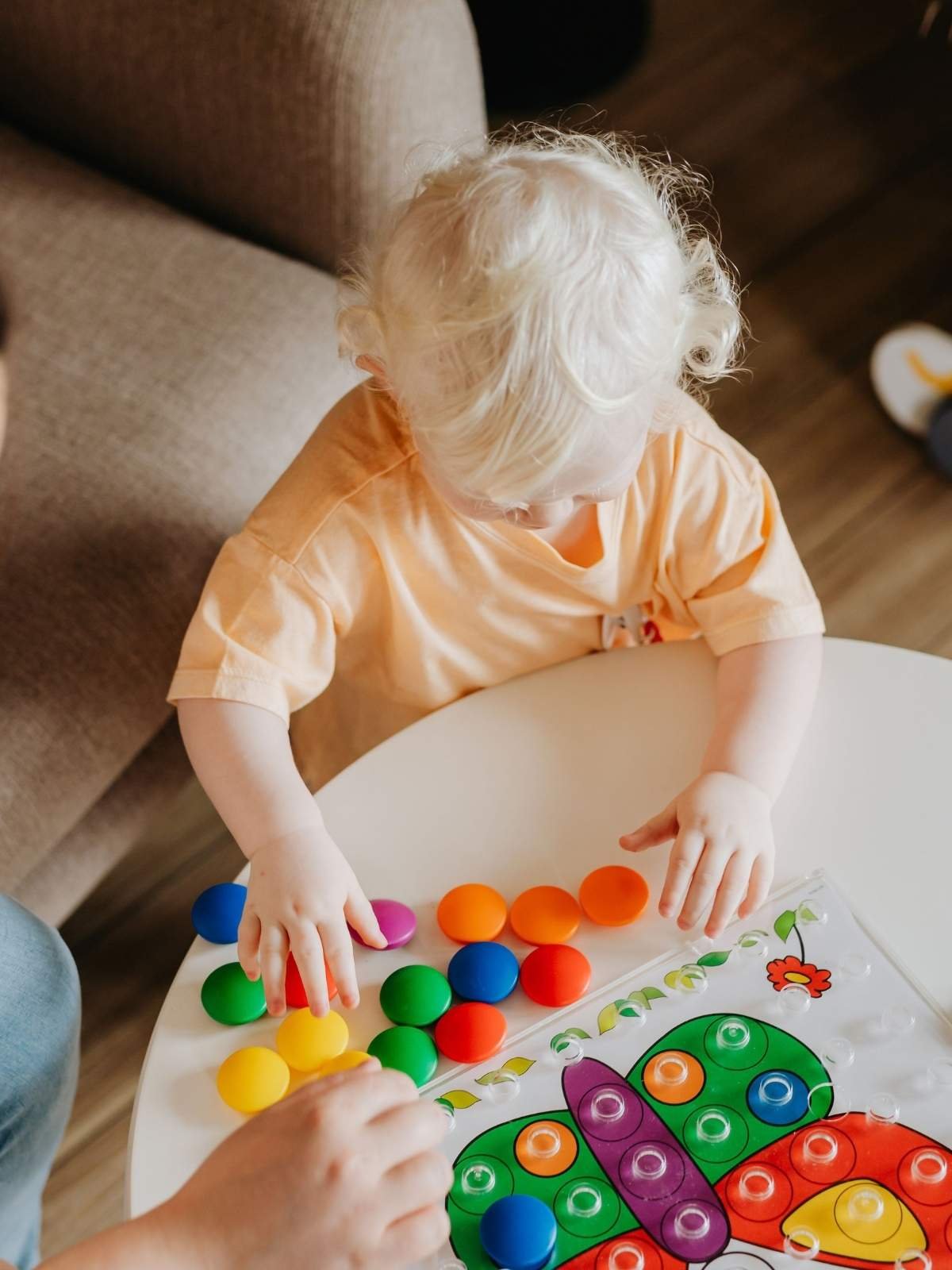
Sensory play is much more than letting toddlers touch, scoop, squish, pour, and explore different materials. These simple play experiences give young children opportunities to use their senses while building important skills through hands-on discovery. A bin of rice, a bowl of water, play dough, or a tray of different textures can become a valuable learning experience.
The benefits of sensory play can be seen across many areas of toddler development. As children explore, they practice using their bodies, communicating their ideas, solving small problems, managing emotions, and making sense of the world around them.
Here are eight important ways sensory play can support your toddler’s development and why these everyday play experiences are worth making part of their routine.
Table of Contents
1. Supports Brain Development and Neural Connections
Toddlers learn by actively exploring the world around them. When they touch, smell, hear, see, squeeze, pour, or move different materials, their brains receive information from several senses at once. These experiences give children opportunities to connect what they experience with what they already know.
Sensory activities can also encourage toddlers to notice differences, make choices, and respond to new experiences. For example, comparing dry rice with soft fabric or cool water with a sponge gives a child opportunities to observe and process new information.
Why it matters: Repeated hands-on experiences support early learning by giving toddlers opportunities to explore, notice, and make connections.
What do I see?
What does it feel like?
What do I hear?
What can I learn?
2. Develops Fine and Gross Motor Skills
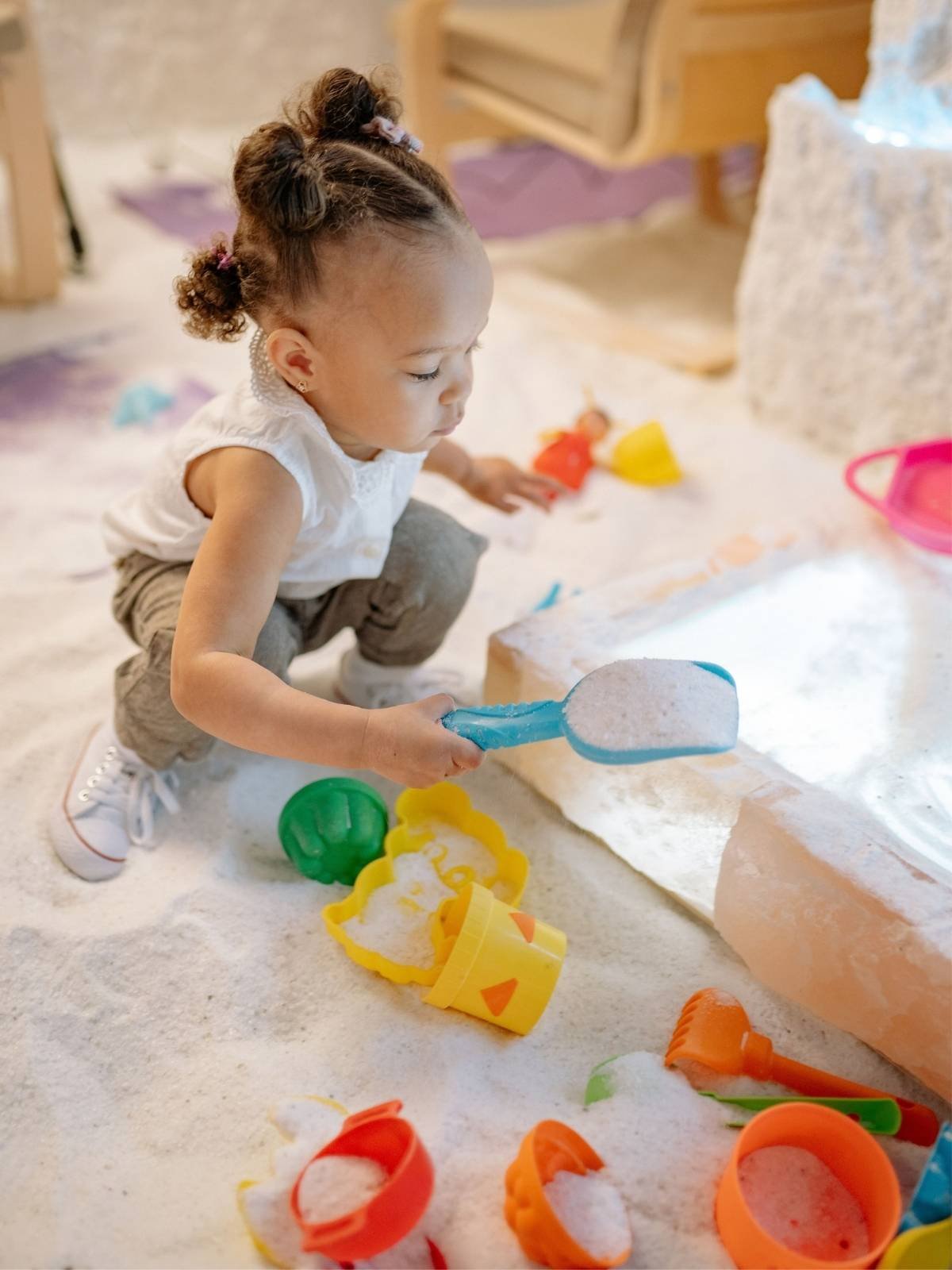
Sensory play naturally encourages toddlers to move their hands, fingers, arms, and whole bodies. Small actions such as picking up cereal pieces, squeezing play dough, transferring rice with a spoon, or pinching soft materials require hand and finger control.
Larger sensory activities can involve the whole body too. Digging in sand, carrying a container, pushing objects, reaching for materials, or playing with water outdoors can encourage bigger movements.
A simple way to support both: Offer activities that include a mix of small hand movements and larger body movements. Your toddler does not need complicated toys. Everyday materials can provide plenty of opportunities to practice these skills.
Gross motor: carry, reach, dig, push, crawl, move
3. Builds Sensory Awareness and Body Awareness
Sensory play gives toddlers opportunities to notice how things feel and how their bodies respond to different experiences. They may discover that rice feels dry and grainy, water feels cool, fabric feels soft, or a sponge changes when it is squeezed.
These experiences can also help children become more aware of their own movements. They begin to notice how much pressure they need to squeeze something, how far they need to reach, or how their hands and body move during an activity.
Try this: Instead of directing every step, give your toddler time to explore. Let them touch, move, squeeze, pour, and investigate at their own pace. This allows them to experience different sensations through direct play.
📖 Read Next: Ready to fill your first bin? Check out our complete guide on Sensory Bin Fillers for Toddlers: What Works, What’s Safe, and What to Skip.
4. Supports Language and Communication Skills
Sensory play creates many natural opportunities for toddlers to hear and use language. As they explore, parents can describe what is happening with simple words such as soft, rough, wet, dry, cold, sticky, full, and empty.
You can also encourage communication by asking simple questions. “What are you making?” or “Which one feels soft?” gives your toddler an opportunity to respond, point, gesture, or use words.
The activity does not need to become a formal lesson. Simply talking about what your child is doing can turn everyday sensory exploration into a language-rich experience.
- Soft / rough
- Wet / dry
- Full / empty
- Heavy / light
- Warm / cool
- Big / small
5. Encourages Problem-Solving, Thinking, and Learning
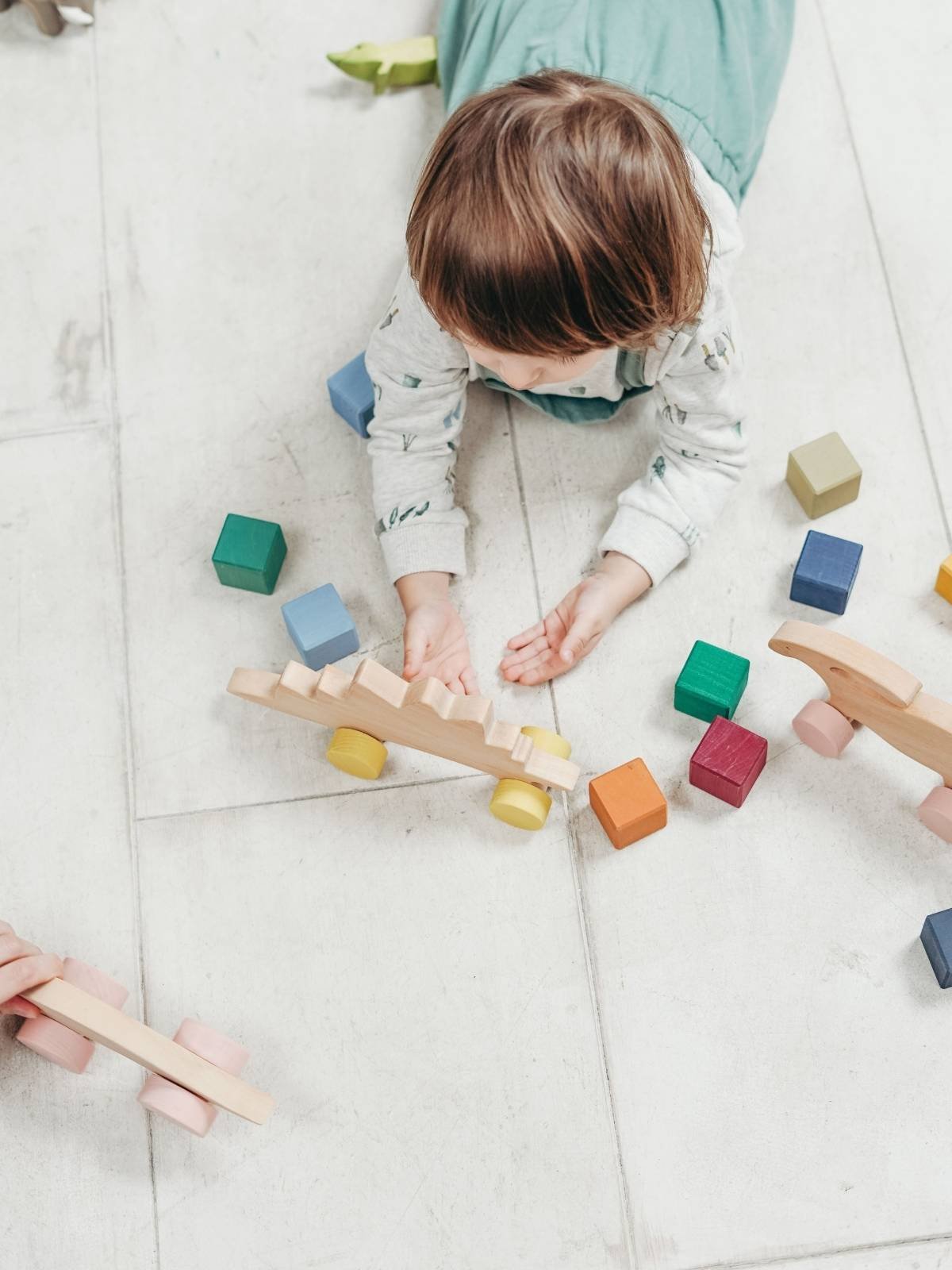
Sensory play gives toddlers small problems to figure out through hands-on exploration. A child may wonder how to get a toy out of a container, how to move sand from one cup to another, or what happens when water is poured into a different container.
These moments encourage children to try something, observe what happens, and try again when the first attempt does not work. There is no need to give them the answer immediately. A little time to experiment can make the activity more meaningful.
Give them room to think: Instead of showing your toddler exactly what to do, offer a simple setup and let them discover different ways to use it.
6. Supports Emotional Regulation and Social-Emotional Development
Sensory activities can give toddlers a calm space to explore, focus, and engage with materials at their own pace. Activities such as scooping, pouring, squeezing, or manipulating soft materials can provide repetitive movements that some children find enjoyable and engaging.
Sensory play can also create opportunities for toddlers to practice patience, make choices, and communicate their preferences. When playing alongside a parent or another child, they can begin practicing simple social skills such as taking turns, sharing materials, and watching what others are doing.
Keep it low-pressure: If your toddler does not like a particular texture, there is no need to force participation. Offer another material and let your child explore when they are ready.
7. Encourages Creativity and Imagination
Sensory materials are often open-ended, which means there is no single correct way to play with them. A handful of play dough can become food for a pretend kitchen, while a tray of sand can become a construction site or a place to hide small toys.
This type of play gives toddlers freedom to experiment with ideas and create their own little play scenarios. They can combine materials, make simple choices, and change their play as new ideas come to mind.
Let the play lead: You can provide the materials without deciding exactly what the finished activity should look like. Sometimes the most interesting play happens when your toddler takes the activity in an unexpected direction.
Open-ended materials give toddlers room to create their own ideas.
8. Strengthens Confidence, Independence, and Parent-Child Connection

Sensory play gives toddlers many chances to make their own choices. They can decide what to touch, which tool to use, what to scoop, where to pour, or how they want to explore. Small moments of independence can help children feel capable and involved.
Sensory activities can also create meaningful one-on-one time between parents and toddlers. Sitting nearby, observing their play, asking questions, and responding to their discoveries shows your child that their ideas and efforts matter.
The goal is connection, not perfection. You do not need an elaborate sensory setup. A simple activity and a few minutes of focused attention can create a valuable shared experience.
| When you… | Your toddler gets a chance to… |
|---|---|
| Offer choices | Practice independence |
| Let them try | Build confidence |
| Play together | Build connection |
Final Thoughts
Sensory play gives toddlers a simple way to learn through hands-on exploration. From developing motor skills and sensory awareness to supporting language, problem-solving, creativity, and confidence, these everyday activities can support many areas of early development.
The best part is that sensory play does not have to be complicated or expensive. A bowl of water, a tray of safe household materials, or a simple sensory bin can give your toddler plenty to explore.
Start with what you already have at home, follow your child’s interests, and give them room to discover. Small moments of playful exploration can become meaningful opportunities for learning and connection.