
Affiliate Disclosure: This post contains affiliate links. If you make a purchase through these links, I may earn a small commission at no extra cost to you. As an Amazon Associate, I earn from qualifying purchases. Thank you for supporting CozyClan!
It is 10:15 in the morning and your toddler has already emptied the toy bin twice. Nothing on the shelf looks interesting anymore, and there is a long stretch of day still to fill.
Most toddler idea lists ask for a craft store trip, a printer, or an hour of prep. That is not how a real day goes. You need something you can set up while the kettle boils, using what is already in your kitchen and laundry room.
These easy indoor activities for any day work that way. Every idea uses everyday items, fits a short attention span, and can be made easier or harder depending on your child. Some burn off energy. Some are calm and quiet. A few are happily messy, and I will say which ones so you can match the activity to your mood.
Read through, save the ideas that suit your home, and start with whatever supplies are already nearby.
Table of Contents
1. Lay Painter’s Tape Roads Across the Floor for Toy Cars
A few strips of tape can turn a bare floor into a whole town.
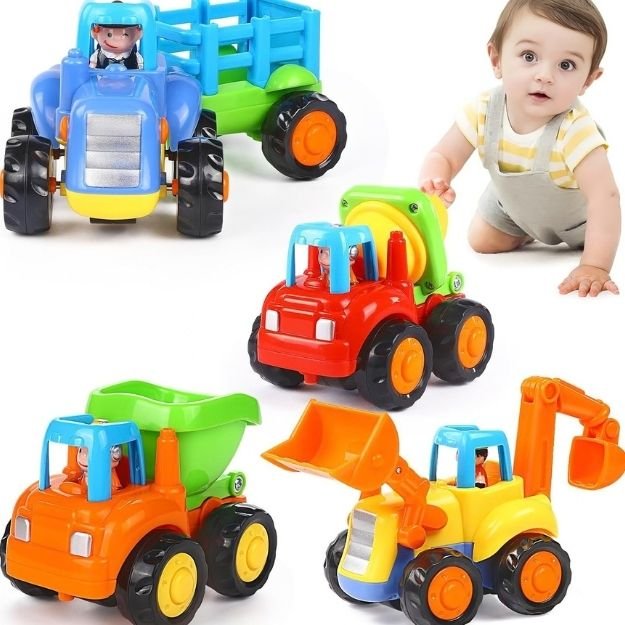
Roll painter’s tape down the hallway or across the living room in wide, curvy lines. Add a square for a parking spot and a rectangle for a garage. Then hand over the toy cars.
Test a small corner of your floor first, since painter’s tape peels off most surfaces cleanly but not all. Younger toddlers may spend more time peeling the tape up than driving on it, and that counts as play too.
2. Turn a Laundry Basket Into a Ball Toss Target
Toddlers love to throw things, and this game gives that habit a proper target.
Set a laundry basket on the floor and gather soft balls, rolled up socks, or small stuffed toys. Start close so the first throws land. Your toddler will cheer for themselves within minutes.
Keep the ammo soft so it doesn’t hit a window or a lamp. Once they have the hang of it, tip the basket on its side for a new challenge.
Set the basket one big step away from your toddler.
Count each throw out loud together, even the misses.
After a few catches, move the basket back one foot at a time.
3. Build a Pillow Path Toddlers Can Crawl and Climb Over
Line up couch cushions, pillows, and a folded blanket in a row across the floor.
Your toddler crawls over the soft parts, steps over the flat parts, and rolls off the end. That is a full round of balance and climbing practice without leaving the room.
Stay within arm’s reach, because toddlers tumble more than they plan to. Once your child feels confident, add a tunnel made from a large cardboard box with both ends open.
Build it on a rug or soft floor, away from stairs.
Use firm cushions that will not fold under a small foot.
Stacking pillows high enough to fall from.
Leaving your toddler alone in the room.
4. Set Up a Blanket Fort With a Flashlight Inside
Dining chairs are basically fort walls waiting for a blanket.
Push two chairs a few feet apart and drape a large blanket over them. Weigh down the edges with heavy books so nothing slides. Then crawl in with your toddler and switch on a light.
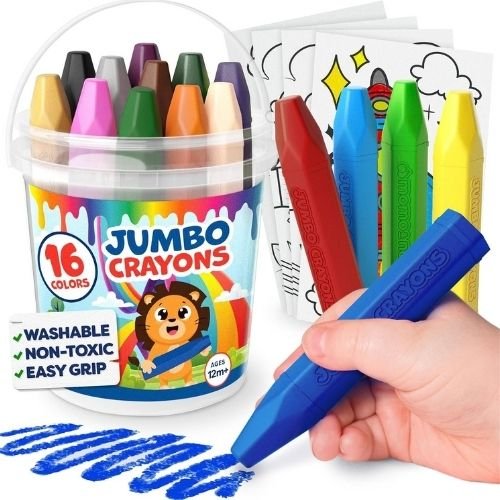
Shine it on the fort ceiling and point out the shapes. Read a short book by the glow or sing something quiet. This one helps when the house feels loud and everyone needs a break.
What to grab first
If you want a ready-made version, instead of “buy this.”
5. Let Toddlers Squish Playdough With Kitchen Tools
Skip the plastic kits, because your kitchen drawer already holds better tools.
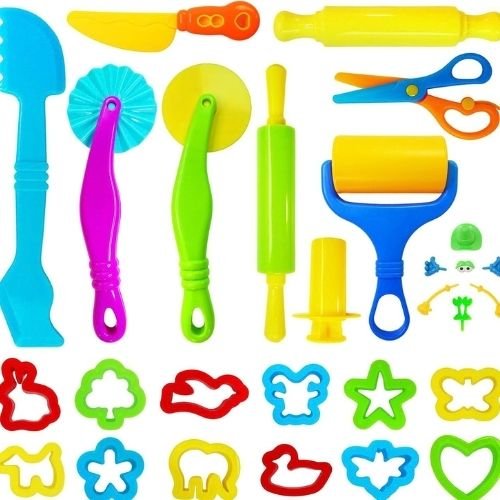
Give your toddler a ball of playdough, a small rolling pin, a plastic fork, and a cookie cutter or two. They will poke, roll, squash, and stamp for longer than you expect.
Some toddlers still try to taste it, so keep the portion small and stay nearby. Store the dough in a zip bag so it is ready to go tomorrow.
6. Paint With Plain Water on a Sheet of Cardboard
What it is: Your toddler “paints” with a brush and water on cardboard. The water darkens the cardboard, so it looks like real paint, then it dries and disappears.
What you need: A flattened cardboard box, a wide brush or sponge brush, and a small cup of water.
How to do it: Tape the cardboard to the floor or a tray so it does not slide. Give your toddler the brush and a half full cup. Let them make lines, dots, and big swishes. When the marks fade, they can start again.
Why it works: Toddlers love to paint but the mess and the risk of tasting paint put many parents off. This gives the same fun with nothing to clean. It also builds hand control from holding and moving the brush, and pouring water from the cup is extra practice.
7. Fill a Tray With Cooked Spaghetti for Messy Sensory Play
What it is: A shallow tray of cooled, cooked spaghetti that your toddler can squish, pull, and scoop.
What you need: Plain spaghetti, a little oil, a baking tray, tongs or a spoon, and a few small toys to hide in the noodles. Food coloring is optional.
How to do it: Boil the spaghetti until soft, rinse it in cold water, and toss it with a spoonful of oil so it does not clump. Let it cool completely. Put a sheet or towel on the floor, pile the noodles in the tray, and add the tools and toys.
Why it works: The texture is cool, slippery, and wiggly, which is a very different feel from anything else in the house. Your toddler practices grabbing and picking things up, and the toys give them something to hunt for. Stay close, since long strands can end up in mouths, and throw the noodles out afterward.
8. Pick the Right Filler for a Toddler Sensory Bin
What it is: A guide to choosing what goes into a sensory bin, so the activity matches your toddler’s stage.
What you need: A shallow bin or tray, a filler, and a few scoops and cups.
How to do it: Rolled oats are the gentlest start. They are soft and easy to scoop, but they turn pasty if wet. Dry rice pours and shakes beautifully, though the small grains scatter and can end up in mouths. Dried pasta is chunky and easy to grab, but the pieces are hard, so stay close.
Why it works: Scooping, pouring, and filling cups all build hand skills and let toddlers explore how things move. Picking the filler for their stage keeps the activity calm for you. If your child still mouths everything, start with oats and always stay within reach.
| Filler | Good for | Watch out |
|---|---|---|
| Rolled oats | Soft scooping, a gentle first bin | Turns pasty if it gets wet |
| Dry rice | Smooth pouring and shaking | Tiny grains scatter and end up in mouths |
| Dried pasta | Chunky pieces that are easy to grab | Hard pieces, so stay close |
9. Start a Pots and Spoons Drum Band
What it is: Your toddler drums on upside down pots and bowls with wooden spoons.
What you need: A few pots, a plastic mixing bowl, and some wooden spoons.
How to do it: Flip the pots and bowls over on the floor and hand over the spoons. Sit down and copy your toddler’s beat, then change it up with slow, fast, and stop and start. If the noise gets to be too much, slide a folded towel under the pots to soften it.
Why it works: Every pot makes a different sound, so your toddler learns that different actions and objects give different results. Copying your rhythm also teaches turn taking and listening. It burns off energy too, which helps when everyone is feeling restless.
10. Pull Scarves Out of an Empty Tissue Box
What it is: A chain of cloth pieces hidden in a tissue box that your toddler pulls out one by one.
What you need: An empty tissue box with the plastic film removed, and five or six light cloth napkins or small scarves.
How to do it: Tie the cloths together corner to corner, keep the chain short, and tuck them into the box. Tape the bottom of the box shut so it holds up to pulling. Your toddler tugs and the chain keeps coming.
Why it works: Toddlers love the surprise of something appearing again and again, and pulling builds hand and arm control. Stay within arm’s reach the whole time, and never let scarves go around a neck.
Set it up safely
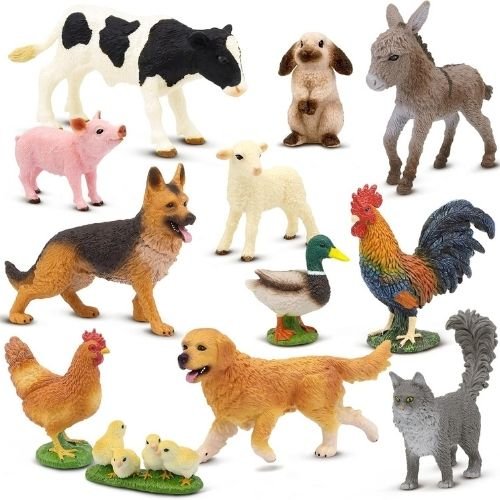
11. Rescue Toy Animals From Ice Cubes in a Tub
What it is: Toy animals are frozen in a block of ice, and your toddler frees them with warm water and a spoon.
What you need: A plastic tub, a few chunky toy animals, water, a larger tub or tray, a towel, a cup of lukewarm water, and a spoon.
How to do it: The night before, put the animals in the tub, cover them with water, and freeze it overnight. In the morning, set the ice block in a bigger tub on a towel. Give your toddler the cup of lukewarm water and the spoon and let them free the animals. Never use hot water, and wipe up spills quickly so the floor is not slippery.
Why it works: Your toddler has a clear goal, which keeps them focused longer than open play. They also get to feel cold ice melting and practice pouring and scooping. Choose animals too big to fit in a small mouth, and keep a dry towel close, since cold hands are part of the fun.
12. Stomp on Bubble Wrap Taped to the Floor
What it is: A sheet of bubble wrap is taped to the floor, and your toddler stomps, marches, and jumps on it to pop the bubbles.
What you need: A sheet of bubble wrap and wide masking tape.
How to do it: Lay the sheet flat with the bubbles facing up and tape all four edges down. Take your toddler’s shoes off and hold their hands if they need balance. Let them stomp across it for a few minutes, then roll it up and put it away.
Why it works: Every pop is a small surprise, so toddlers want to do it again. They get a burst of energy out and practice balance and leg strength too. Stay beside them the whole time, because plastic pieces can come loose and end up in small mouths. If any part tears off, take the sheet away.
⚠️ Watch Out
Plastic pieces can come loose and end up in small mouths. Stay beside your toddler, and take the sheet away if any part tears off.
13. Play Freeze Dance With Three Simple Rules
What it is: A dance game where your toddler dances while music plays and freezes when it stops.
What you need: A phone or speaker, and a clear patch of floor.
How to do it: Keep the rules to three. Dance when the music plays, freeze like a statue when it stops, and everybody who freezes gets a cheer, so nobody is ever out. Toddlers often forget to stop at first, and that is fine. Freeze with them and strike a silly pose to show the idea. Keep each round to about a minute of music and clear away any toys first. Call out moves between songs, like tiptoes, wiggles, or big jumps.
Why it works: Stopping on cue is real practice in listening and self control, and it feels like a game rather than a lesson. It also uses up energy quickly, which helps when your toddler is bouncing off the walls.
Keep each round to about a minute of music.
Freeze with your toddler and cheer when they stop.
Sending anyone “out” for moving.
Playing with toys still scattered on the floor.
14. Make Sticker Scenes on Paper Plates
What it is: Your toddler fills a paper plate with stickers to build a little scene.
What you need: Paper plates, a sheet of large stickers, and crayons.
How to do it: Draw a simple scene on the plate, like a blue pond for animal stickers or a big round pizza for circle stickers. Start with big stickers that are easy to grab, and cut the sheet into strips so the edges are easier to peel. Lift the corner of each sticker for your toddler, hand it over, and let them decide where it goes. When you finish, take any loose stickers away.
Why it works: Peeling and pressing a sticker is hard work for small fingers, and it builds the hand strength they will need later for holding a crayon. Placing each sticker on the scene also gives them a bit of choice and creativity.
Draw a simple scene on the plate, like a blue pond or a round pizza.
Lift the edge of each sticker for your toddler, then hand it over.
Let them place it anywhere, then clear away loose stickers when you finish.
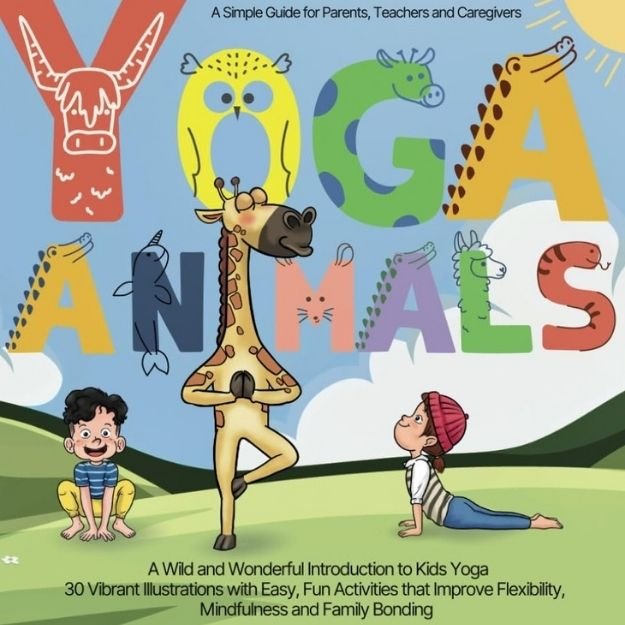
15. Copy Animal Poses for a Toddler Yoga Session
What it is: You and your toddler take turns copying animal poses, adding the animal sounds as you go.
What you need: A little floor space. No mat or experience is needed.
How to do it: Sit facing your toddler and pick an animal. For a cat, get on your hands and knees and round your back. For a frog, squat low and then hop. For a butterfly, put your feet together and flap your knees like wings. Make the animal sounds so it feels like pretend play. If your toddler wanders off, stop there, since even two poses count.
Why it works: It gets them stretching and balancing without feeling like exercise. Copying you also builds body awareness and gives you a calm, short activity together.
Else you can have these kids animal yoga cards on Amazon, to keep your toddler busy.
16. Set Up a Sink Water Station With Cups and Sponges
What it is: A shallow basin or sink of water where your toddler pours, squeezes, and splashes.
What you need: A sink or large basin, a sturdy stool if you use the sink, plastic cups, a sponge, a whisk or spoon, and a towel for the floor.
How to do it: Fill the basin with only a few inches of water and add the cups, sponge, and whisk. Lay an anti-slip floor protector under the stool for splashes. Show your toddler how to squeeze the sponge and pour from one cup to another, then step back and let them explore. Stay within arm’s reach the whole time and never leave them alone near water, even for a moment.
Why it works: Water play holds a toddler’s attention for a long time, and squeezing and pouring build hand strength and control. It also gives you a chance to name words like full, empty, wet, and dry. If your toddler is having a grumpy afternoon, warm water often helps them settle.
- ▸Fill the basin with only a few inches of water.
- ▸Add plastic cups, a sponge, and a whisk.
- ▸Lay a towel under the stool for splashes.
- ▸Stay within arm’s reach and never step away.
17. Turn a Cardboard Box Into a Playhouse
What it is: A large cardboard box becomes a small hideout with a door and windows.
What you need: A big box, a box cutter for you, masking tape, and crayons or washable markers.
How to do it: Cut a door and one or two windows into the box while your toddler is out of the room. Tape over any rough or sharp cut edges. Then bring your toddler in and hand them the crayons, so they can draw roof tiles, flowers, or a house number. Add a small blanket and a soft toy inside and let them move in.
Why it works: A box gives toddlers a space that feels like their own, and they can change what it is every day, from house to garage to boat. Drawing on it makes them feel they built it themselves, and it costs nothing since the box was headed for the recycling bin anyway.
A big delivery box sitting by the recycling bin.
A cozy playhouse with a door, windows, and crayon roof tiles, ready to move into.
18. Hide a Toy Under One of Three Cups
What it is: A hide and find game with three cups and one small toy.
What you need: Three plastic cups and a small toy, like a toy car or a block that is too big to swallow.
How to do it: Line up the cups upside down on the floor. Show your toddler the toy, then slide it under one cup while they watch. Ask, “Where is it?” and let them lift the cups to find it. Once they win every time, move the cups around slowly before they choose.
Why it works: Toddlers are learning that objects still exist when they cannot see them, and this game turns that idea into a laugh. Following the cup with their eyes also builds focus and memory. It takes about a minute to set up, so it is easy to fit into a busy day.
Line up three cups upside down on the floor.
Show your toddler the toy, then slide it under one cup while they watch.
Ask “Where is it?” Once they win every time, slide the cups around before they choose.
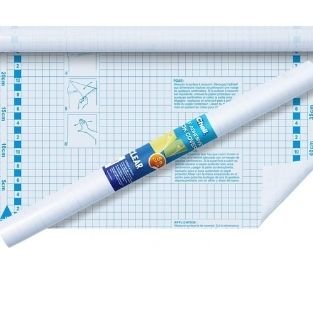
19. Stick Leaves and Tissue Paper to a Contact Paper Window
What it is: Clear contact paper is taped to a window with the sticky side out, and your toddler presses small light items onto it to make a collage.
What you need: Clear contact paper, masking tape, and light flat items like leaves, tissue paper scraps, and paper shapes.
How to do it: Cut a sheet of contact paper and peel off the backing. Tape it to a low window or a wall, sticky side facing out, with all four edges taped down. Put the leaves, tissue paper scraps, and paper shapes in a small bowl within reach. Your toddler presses them on and pulls them off as they like.
Why it works: Sticky surfaces are fascinating to toddlers, and pressing and peeling builds finger strength. With light coming through the window, the colors glow, which makes the finished piece nice to look at. There is little mess, and you can take it down and keep it if you like.
You can grab your contact paper by clicking on the image below:
20. Host a Stuffed Animal Picnic on the Living Room Floor
What it is: Your toddler invites their stuffed toys to a pretend picnic on a blanket.
What you need: A blanket or towel, plastic plates and cups, pretend food, a few stuffed animals, and a small snack if you like.
How to do it: Spread the blanket on the floor and let your toddler help set out the plates and cups. Line up the stuffed animals as guests and hand your toddler some toy food to serve. Ask who is hungry and what each animal would like to eat. If you add a real snack, choose something your toddler already eats safely and stay close while they eat.
Why it works: Pretend play helps toddlers practice caring for others and using new words. Feeding the animals also builds fine motor skills through picking up, passing, and pouring. The whole thing fits in a corner of the room and can last as long as their attention does.
Pack the picnic basket
21. Throw Rolled Socks in an Indoor Snowball Toss
What it is: A snowball fight without the snow. Your toddler throws soft sock “snowballs” at you or at a target on the wall.
What you need: Several pairs of clean socks, a laundry basket for collecting them, and painter’s tape.
How to do it: Roll each pair of socks into a ball and pile them in the basket. Stick a big X on the wall at your toddler’s chest height. Let them throw the snowballs at the X, or at you while you hold a pillow as a shield. When all the snowballs are gone, race to gather them and start again. Keep throws away from windows, screens, and lamps.
Why it works: Toddlers love to throw, and this gives the habit a safe place to go. It burns off a lot of energy and builds aim and coordination. Making a pile and collecting it afterward gives the game a natural cleanup.
22. Stack Plastic Cups Then Knock Them Down
What it is: You build a tower of cups and your toddler knocks it over, again and again.
What you need: Six to ten plastic cups, the lightweight kind.
How to do it: Stack three cups into a small tower on the floor. Say “ready, set” and let your toddler knock it over. Then swap roles: they try stacking while you cheer, even when the tower leans. Once they do well with three cups, add a fourth. Toddlers often love knocking down more than building up, and that is completely normal.
Why it works: Every crash teaches cause and effect, and stacking builds hand and eye coordination. Rebuilding a tower over and over also teaches patience. It takes no setup, so it works well while dinner is cooking.
💡 Quick Tip
Start with a tower of just three cups. Toddlers usually enjoy the crash more than the stacking, so let them knock it down as many times as they like.
23. Match Nesting Cups and Lids by Size
What it is: A sorting game where your toddler finds the lid that fits each container.
What you need: Three to five plastic containers or nesting cups with matching lids.
How to do it: Set out the containers with the lids mixed in a pile. Show your toddler how to try a lid, and if it does not fit, try another one. Start with only two sizes so it is easy to see the difference. Add a third size only after they match both without help. Say “big” and “small” as you go.
Why it works: Toddlers are learning how sizes and shapes relate, and trying lids until one fits is real problem solving. Snapping a lid on also builds finger strength. It uses kitchen items you already own and packs away in a drawer afterward.
Begin with just two sizes. Add a third only when your toddler matches both without help.
24. Give Your Toddler a Real Job in the Kitchen
What it is: Your toddler helps with simple, safe kitchen tasks while you cook.
What you need: A sturdy stool or learning tower, a bowl, and safe foods and tools such as fruit, lettuce leaves, and a wooden spoon.
How to do it: Bring your toddler to the counter and hand them one small job. They can wash fruit in a bowl of water, tear lettuce leaves, stir dry ingredients with a spoon, or wipe the table with a damp cloth. Wash hands together first. Keep knives, hot pans, and the stove out of reach, and stay right beside the stool.
Why it works: Toddlers like being treated as helpers, and real jobs hold their attention better than pretend ones. They also learn kitchen words, practice pouring and stirring, and get more willing to try foods they helped prepare.
| Job | What they do | Watch out |
|---|---|---|
| Wash fruit | Swish fruit in a bowl of water | Wipe up water spills right away |
| Tear lettuce | Rip leaves into small pieces | Check pieces are small before they taste |
| Stir dry mix | Turn a wooden spoon in a big bowl | Use a deep bowl so nothing flies out |
| Wipe the table | Rub a damp cloth in circles | Keep cleaning spray out of reach |
25. Make Silly Faces in a Mirror Together
What it is: You and your toddler sit in front of a mirror and copy each other’s faces.
What you need: A safe, unbreakable mirror, or a large mirror that is firmly fixed to the wall.
How to do it: Sit side by side in front of the mirror. Make a big smile, a surprised mouth, a sleepy face, and a tongue poke, and say the name of each feeling. Let your toddler pick a face and copy it. Then swap and add a new one. If your toddler does not want to join in, keep making faces yourself and they will usually start.
Why it works: Toddlers are learning what their faces can do and what feelings look like, and the mirror lets them see it. Naming the feeling as they make it gives them words for emotions they will use later. It is quiet and calm, and it works well before a nap or after a busy morning.
Say the feeling out loud as you make the face, like happy, sleepy, or surprised. Your toddler learns the word and the look together.
If you don’t have an unbreakable mirror at home, you can buy this; because safety comes first.

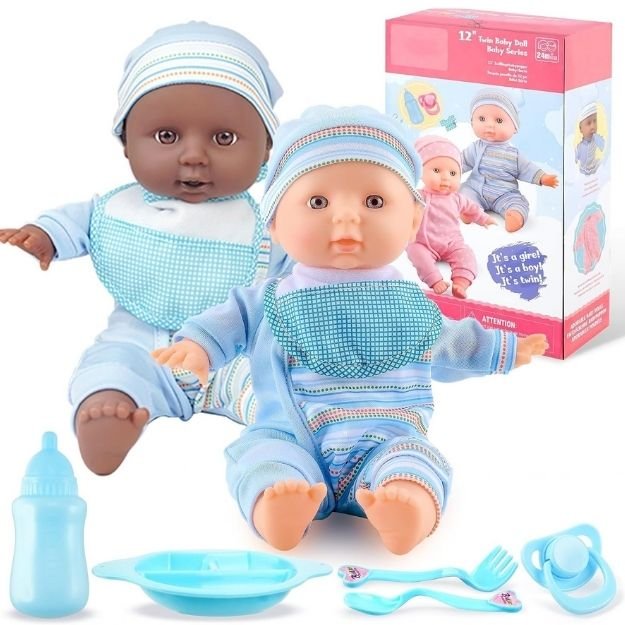
26. Give a Baby Doll a Bath Time Routine
What it is: Your toddler gives a baby doll a pretend bath, with washing, drying, and getting dressed.
What you need: A washable baby doll, a plastic tub or basin, a washcloth, a small towel, and a few inches of lukewarm water. For a dry version, skip the water and use a damp cloth.
How to do it: Set the tub on a towel on the floor. Show your toddler how to wash the doll’s arms, tummy, and toes, then dry it and wrap it in the towel. Talk through each step as you go, like “First we wash, then we dry.” Stay right beside them any time there is water, and empty the tub when you finish.
Why it works: Toddlers copy what happens in their own day, and acting out a routine helps them understand it. They also practice being gentle and using the words for body parts. Squeezing the washcloth builds hand strength, and the game repeats easily.
Set the tub on a towel and add a few inches of lukewarm water.
Wash the doll’s arms, tummy, and toes with the washcloth.
Dry the doll and wrap it in the small towel.
Get the doll dressed, then empty the tub together.
Click on this image; if you want to grab this baby doll set.
27. Thread Big Pasta Tubes on a Shoelace
What it is: Your toddler slides large pasta tubes onto a lace to make a chunky necklace or bracelet for play.
What you need: A short shoelace or piece of thick yarn, and large dry pasta tubes like rigatoni. Tape a knot at one end so the pasta cannot slide off.
How to do it: Tie a big knot at one end of the lace and wrap the other end with tape to make a stiff tip, like a needle. Show your toddler how to poke the tip through a tube and pull it along. Start with just a few pieces and add more as they get the hang of it. Keep the lace short, stay beside them the whole time, and take it away when the game ends.
Why it works: Threading builds the fine motor control they will need later for writing and buttoning. It also teaches patience and hand and eye coordination. Pasta is chunky enough for small hands, and you can dye it with food coloring ahead of time if you want a colorful version.
Use large tubes like rigatoni, with wide holes.
Keep the lace short and stay beside your toddler.
Small pasta shapes that fit in a mouth.
Letting them wear the lace or wander off with it.
28. Make Paper Bag Puppets With Crayons
What it is: A plain paper lunch bag becomes a puppet your toddler can decorate and then use.
What you need: Paper lunch bags, crayons or washable markers, large stickers, and a bit of glue stick if you like.
How to do it: Lay a bag flat with the folded bottom flap facing up, since that flap is the puppet’s mouth. Show your toddler how to draw a face on it. Let them scribble on eyes, a nose, and hair, or press on big stickers. Slip your hand inside and make the puppet talk. Then hand it over and let them try. Keep small decorations like googly eyes out of reach.
Why it works: Drawing on a bag feels different from drawing on paper, and toddlers enjoy making something they can then play with. A talking puppet also gets shy toddlers speaking, since they can let the puppet do the talking.
What to grab first
29. Make Shadow Animals on the Wall
What it is: You make simple hand shadows on the wall with a flashlight, and your toddler tries to catch or copy them.
What you need: A flashlight or phone light, a plain wall, and a dim room.
How to do it: Close the curtains and switch off the main light. Shine the flashlight on a blank wall from a few feet away. Make a bunny with two fingers, a bird by linking your thumbs and flapping your hands, or a dog with a flat hand and moving thumb. Let your toddler reach for the shadows and try to make their own. Keep the light pointed at the wall, never at faces.
Why it works: Shadows appear and vanish in a way toddlers find magical. They practice watching, guessing, and copying your hand shapes. It takes no supplies, so it works well as a calm wind down before bedtime.
30. Create a Cozy Book Corner for Quiet Time
What it is: A small corner with soft seating and a few books within reach, where your toddler can settle down and look at pictures.
What you need: A few pillows or a small beanbag, a blanket, a basket, and five or six sturdy board books.
How to do it: Choose a quiet spot away from the TV, like the space beside a bed or a bare corner of the living room. Put the pillows and blanket down, and stand the books up in a basket so the covers face out. Sit with your toddler and let them pick. Read one book, then let them flip through the others on their own. Rotate the books every week or two so the basket feels new.
Why it works: A dedicated spot signals that this is where calm things happen, and toddlers begin to head there on their own. Looking at books builds language and listening, and it gives you both a break from a busy day.
💡 Quick Tip
Keep only five or six books in the basket and swap them every week or two. A smaller set feels new each time and is easier for small hands to flip through.
Conclusion
A long day with a toddler does not need a full toy room or a shopping trip. Most of these ideas start with a box, a cup, a sheet, or a wooden spoon you already own, and they take only a few minutes to set up.
Choose two or three that suit your home and your toddler’s mood right now. Save the calm ones for slow afternoons and the noisy ones for when the energy is high. Stay close for anything with water, small pieces, or cloth.
With these easy indoor activities for any day, you will always have something ready to try.
Pinterest call to action
Save this list to your toddler activities board on Pinterest, so it is ready the next time you hear “what can we do now?”