
Affiliate Disclosure: This post contains affiliate links. If you make a purchase through these links, I may earn a small commission at no extra cost to you. As an Amazon Associate, I earn from qualifying purchases. Thank you for supporting CozyClan!
Quiet play does not mean a toddler sitting still and silent for an hour. That idea makes a lot of parents feel like they are getting it wrong.
Toddlers are built to move, touch, and test everything within reach. What you can realistically get is a calmer stretch, where the volume drops, the meltdowns pause, and small hands stay busy with one thing. That is enough time to cook dinner, feed a baby, answer a message, or drink a cup of tea while it is still warm.
These quiet indoor activities for toddlers were chosen for exactly that kind of stretch. Most use things already in your drawers or recycling bin. None needs paint, rice, or glitter. Some take two minutes to set up, and a few take no setup at all.
Pick the one that suits the mood in your house right now. Save the rest for the next long afternoon.
Table of Contents
1. Peel-and-Stick Sticker Scenes on a Window
Glass is a surprisingly good canvas.
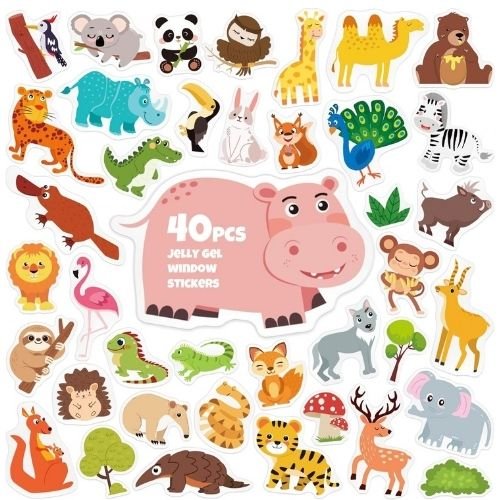
Press a few large, easy-peel stickers onto a low window and let your toddler build a scene. Stickers come off smooth glass without tearing, so the picture can be built, peeled, and built again. Tape a simple shape on the pane first, like a house or a sun, to give small hands a target.
- Lift one corner of each sticker before you hand it over
- Start with bigger stickers, because tiny ones frustrate small fingers
- Sit close and narrate, “the sun goes up high”
Test one strip of tape on the glass first so nothing stays behind.
2. Painter’s Tape Roads Across the Living Room Floor
Lay two long strips of painter’s tape a hand width apart and you have a road.
Bend one strip into a curve, add a T-junction, and finish with a parking square. Toddler cars, wooden animals, and even a stuffed bunny can drive along it. Tape holds best on hard floors and can lift off carpet, so pick the kitchen or hallway. Check one corner first on old varnish.
Your road in 3 steps
Press the first strip down, then run a fingernail along both edges so it will not lift under wheels.
Add one gentle curve and one T-junction. Sharp corners are hard for chunky toy cars.
Finish with a parking square and let your toddler choose which car parks there.
3. Water Painting on Cardboard With a Fat Brush
All the fun of painting with none of the cleanup.
Plain water darkens cardboard and brown paper bags, so every stroke shows up like paint, then fades as it dries. That means your toddler can paint the same surface again and again.
Choose a wide, chunky brush that fits a whole fist. Fill the cup only a third full so a tip over stays small, and slide a towel under the cardboard.
Paint it, wait, paint it again.
4. Sock Matching Basket for a Tiny Laundry Helper
Clean laundry has a way of sitting in the basket for three days.
Give the sock pile a job. Tip a small basket of clean socks onto a blanket and ask your toddler to find the one that looks just like this one. Two or three pairs is plenty at first. Add more once they start to get it.
Sit beside them and fold something of your own. It feels like a shared chore, and it quietly builds the habit of noticing colors and patterns.
Set out before you start
5. Sticky Contact Paper Wall Collage
One rule: sticky side out.
Tape a sheet of clear contact paper to the wall or the back of a door at toddler height, with the paper backing peeled away. Then set out a small bowl of things to stick on. Torn tissue paper, fabric scraps, and flat paper shapes all work. Skip anything heavy, because it will slide off.
Keep the sheet low and away from hair, curtains, and the sofa. Toddlers tend to lean in.
A blank sheet of clear contact paper, sticky side out, taped at all four corners.
A layered collage your toddler built, ready to peel off the wall in one piece when they are done.
6. Cardboard Tube Ball Ramp Taped to the Wall
Tape three or four cardboard tubes to a wall at slanting angles, each one ending just above the top of the next. Painter’s tape holds best. Drop a ball in at the top and your toddler gets to watch it disappear, then pop out lower down.
That small surprise keeps them looking for longer than you would expect.
- Use tubes of different lengths so the ball speeds up and slows down
- Put a laundry basket at the bottom to catch it
- Choose a cloth or soft ball so the wall stays quiet
Start with one tube and add another each time they lose interest.
⚠️ Watch Out
Anything that goes down the tube must be too big to swallow. If it fits inside a toilet paper tube, it is too small for a toddler. Tape the tubes on firmly and stay close while they play.
7. Scarf Pull From a Tissue Box
One rule makes this game work. Everything in the box must be soft and knot free.
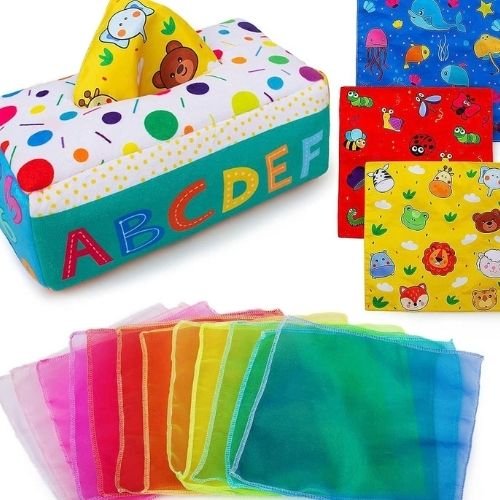
Poke a few lightweight scarves or cotton bandanas into an empty tissue box, leaving one corner sticking out. Your toddler pulls, the next one appears, and the box never seems to run out. Silky scarves slide out easily, while cotton ones give small fingers something to grip, so mix both.
The empty box is probably already sitting in your recycling.
Younger toddlers enjoy the pulling. Older ones like stuffing them back in, which is a second game for free.
Use short scarves with no knots.
Stay within arm’s reach.
Leave one corner poking out to start.
Tying scarves together.
Scarves with beads or tassels.
Leaving them alone with the box.
8. Family Photo Album Tour
Toddlers pay closer attention to faces they know than to almost any picture book. A small printed album turns that into a quiet game.
Sit close and ask, “Where is Nana?” or “Who is holding the baby?” Let them point, tap, and turn the pages. Slip-in sleeves are worth the small effort, because sticky fingers wipe clean and nothing gets creased.
I find phones make this harder. A screen invites swiping, and a swipe can land on something you did not mean to show.
Keep the album short, around ten photos, so the last page still feels like a treat.
| 🖼️ Printed album | 📱 Phone gallery |
|---|---|
| No screen at all. | Screen time, even if short. |
| Sticky fingers wipe clean. | Swipes can open other apps. |
| Needs about ten minutes to print and slip in. | No setup needed. |
9. Sticky Note Hunt Around the Room
Dinner is at the stage where you cannot walk away, and your toddler is standing at your knee. This one buys you a few minutes.
Stick a handful of bright notes low on furniture, doors, and walls, right at toddler eye level. Ask them to find a yellow one, then a pink one. Peeling each note off is half the fun. Hand them a paper plate to collect the finds.
Count the notes before you start so you know when the hunt is over. Any left behind end up in socks and sofa cushions.
Count the notes before you start and again at the end. A hunt with a clear finish line keeps the game calm.
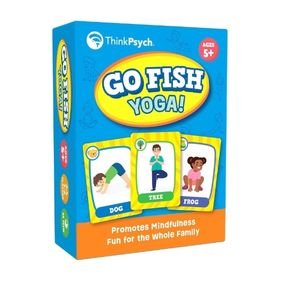
10. Slow Animal Yoga Poses
A slow body helps a slow afternoon, and toddlers will happily move slowly if it feels like pretending.
Yoga for this age is really just acting out animals. Keep your voice low and say “slowly” often. The living room rug is your mat, and no one needs special clothes.
Pick three or four animals your toddler already knows. Once they have the hang of it, you can name a new animal and let them invent the pose.
End by lying down like a sleepy puppy and see how long they will stay there.
4 slow poses to start with
🐱 Cat: hands and knees, round the back up slowly, then drop it down.
🦒 Giraffe: stand tall and stretch both arms toward the ceiling.
🐢 Turtle: sit down, tuck the chin in, and hide inside the shell.
🦋 Butterfly: sit with the soles of the feet together and flap the knees slowly.
Get yours’ on Amazon right now
11. Flashlight Shadow Puppets on a Bare Wall
Dim the lights, close the curtains, and a plain wall turns into a small stage.
Shine a torch onto the wall from a table, then hold a toy in front of the beam. A dinosaur or a plastic cup will do, and the shadow grows bigger the closer it gets to the light. Toddlers usually try to touch the shadow first, then work out that they can make one too. Hand shapes are hard at this age, so make a bunny yourself and let them chase it.
Keep the beam pointed at the wall, never at faces.
12. Window Watch Game With a Simple “I Spy” List
Sit lower than you think. A window at adult height shows a toddler mostly sky, so pull a cushion up and sit them down to look out at eye level.
Then give the watching a job. Draw or print four simple pictures on a card, like a bus, a bird, a dog, and a leaf. Every time one goes past, your toddler points to it on the card. Rainy days are good for this, because puddles and umbrellas add new things to spot.
Stop while they still want more. Ten minutes of interested looking beats twenty of drifting.
💡 Quick Tip
Make the I Spy card from four squares of paper with one big picture each. Tape it to the window sill so your toddler can point without you holding it.
13. Mirror Faces Game With an Unbreakable Mirror
Toddlers rarely get bored of their own faces.
Sit in front of a low, secured mirror or hold a small acrylic one between you. Make a face, then wait. Sleepy, surprised, and silly are the easiest to copy. Toddlers often stick out a tongue first, which is a good sign they are following along.
Name each face as you make it, softly. It gives them words for feelings, and it keeps the game calm, because everyone is busy watching and copying.
Skip real glass. Acrylic mirrors made for babies cost little and survive being dropped.
14. Toy Spa Day With a Damp Cloth and a Dry Towel
Most toy boxes hold at least a few sticky dinosaurs.
Turn cleaning them into the game. Lay a towel on the floor, put a small bowl of warm water beside it, and hand over a soft cloth. Your toddler wipes a toy, then dries it, then lines it up on the towel to rest. There is no splashing, because the cloth is only damp and the bowl stays low.
You get cleaner toys and a quiet ten minutes.
Wash only plain plastic or wooden toys this way. Anything with batteries or a speaker stays out of the water.
Set up your spa station
15. Wrap a Toy in Scrap Fabric, Then Unwrap It
Grab a tea towel and one small toy, then let your toddler watch you wrap it.
Fold the fabric around the toy and tuck the corners in, so the shape stays a mystery. Hand it over and ask, “What is inside?” Unwrapping takes real effort at this age, and squeezing and guessing is half the fun. Start with one wrapped toy and add a second layer once they get good at it.
A short ribbon tied loosely around the parcel is enough. Long ones tangle, and plastic bags should never be part of the game.
Wrap it again and hide it under a blanket for round two.
Use a tea towel or a cotton scarf.
Wrap a toy bigger than a fist.
Keep any ribbon short and loose.
Plastic bags or cling film.
Tight knots or long ribbons.
Wrapping tiny toys that could be swallowed.
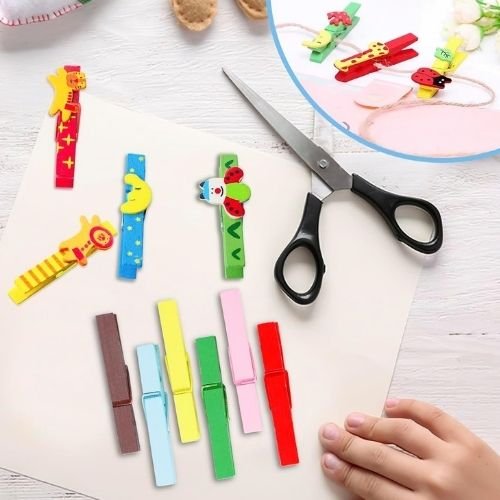
16. Clothespins Clipped Onto a Cardboard Box Edge
Clipping is harder than it looks, and toddlers know it.
Cut the flaps off a shoebox or a sturdy cereal box and stand it up. Show your toddler how to squeeze the clothespin open and slide it onto the rim. The first few will fall off, and that is fine. Every squeeze builds the small hand muscles they will need later for holding a crayon or a spoon.
Line a few pins up along one side to start. Then ask them to clip a matching color on the other side.
Stay close, because clothespins are small enough to go in a mouth.
| 📎 Regular pins | 🤏 Mini pins |
|---|---|
| Easier to squeeze open. | Need a stronger pinch. |
| Good first choice for beginners. | Better once they have the hang of it. |
| Too big to swallow. | Small enough to need close watching. |
17. Audiobook Blanket Nest With Two Soft Toys
Some afternoons the best quiet activity is doing very little.
Pile a blanket and two cushions in a corner and settle a couple of soft toys inside. Then play a short audiobook or a gentle story podcast for children, with the volume low. Your toddler can hug a toy, flick through a favorite board book, or just lie there and listen. Choose something under fifteen minutes so you are not committing to a long session.
I like it for the hour before dinner, when everybody’s battery is low.
Keep the nest away from stairs and hard edges, in case they get restless and start to climb.
A tired toddler wandering the room, picking things up and putting them down.
One cozy corner, one soft story, and a toddler settled long enough for you to breathe.

18. Tissue Paper Scrunch and Stuff Box
Scrunching is loud in the hands but quiet in the room. That is why it works.
Hand over a few sheets of tissue paper and a cardboard box with a hole cut in the lid. Your toddler scrunches each sheet into a ball, then posts it through the hole. When the box is full, the lid comes off and everything is pulled out again. Then the game starts over.
Use large sheets, not confetti or shredded paper, since small scraps end up in mouths and in the vacuum.
Choose plain tissue paper only. Glittery, metallic, or printed sheets can shed bits.
⚠️ Watch Out
Toddlers often chew paper. Stay within arm’s reach, use large plain sheets only, and check the floor afterward for torn scraps.
19. Soft Toy Toss Into a Laundry Basket
Tossing usually means noise. Soft toys turn the volume right down.
Set an empty laundry basket a short step away from your toddler and hand them a stuffed bear or a rolled-up hat. They throw, it lands, and you cheer in a whisper. If it misses, they walk over and fetch it, which is the calm part of the game.
Start close, then move the basket back one foot at a time as their aim improves. Older toddlers can toss two toys at once or try an underhand throw.
Keep the throwing to soft things only. Anything hard changes the game and ruins the quiet.
Only soft things get thrown. A basket, a bear, and a whispered cheer keep the game quiet.
20. The Whisper Game With a Stuffed Animal Secret
A game that is quiet by design.
Sit close with a stuffed animal and tell your toddler it has a secret to share. Lean in and whisper a simple word in their ear, like “banana” or “blue.” They whisper it back to the toy, or to you. Then your toddler picks a word of their own, and you lean in and listen. Whispering is tricky at this age, so most of the words will come out as loud breaths. That still counts.
Keep each word short and one syllable when you can. It is a small way to practice listening while the room stays hushed.
How to play
Sit close and hold up a stuffed animal. Say, “It has a secret.”
Lean in and whisper one simple word in their ear.
Let them whisper one back, then swap turns.
Conclusion
You do not need a shelf of special toys to get a calm afternoon. A roll of tape, a tea towel, and a spare corner of the living room can do more than most people expect.
Some of these quiet indoor activities for toddlers will land on the first try, and some will get a shrug. That is normal. Toddlers change their minds by the hour, so keep a few in your back pocket and swap when the mood shifts.
Start with the one that needs the least setup and see how far a few quiet minutes goes.
Save this list to your toddler activities board so it is there the next time the house gets loud.