Affiliate Disclosure: This post contains affiliate links. If you make a purchase through these links, I may earn a small commission at no extra cost to you. As an Amazon Associate, I earn from qualifying purchases. Thank you for supporting CozyClan!
Most outdoor play lists assume a child who can run across the lawn and climb into a swing on their own. That leaves out a huge group of babies: the ones still rolling, sitting with one hand planted for balance, or army crawling three feet before giving up.
So parents end up doing the same thing every day. Stroller walk, back home, repeat.
Here is the thing though. Babies who cannot walk get more out of being outside than almost anyone. Moving leaves, warm air on bare feet, a bird that lands two feet away, grass that feels scratchy one minute and soft the next. All of that is new information for a brain building at full speed. None of it needs equipment or a park membership.
This list of outdoor activities for babies covers 15 real ways to use a yard, a balcony, or the patch of shade outside your building. Some work from the newborn stage. Others start once your baby can sit. Each one tells you what you need, what to watch for, and how long it will actually hold their attention.
Table of Contents
1. Lay the blanket so the grass tickles the edge
Tummy time gets stale on the same living room mat, in the same corner, at the same time every day.
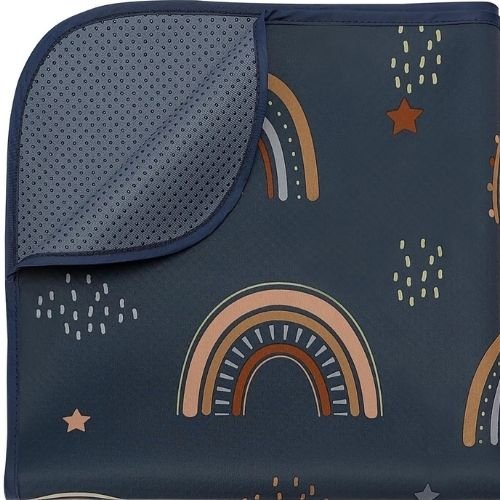
Take a thin blanket outside and set it so one edge sits level with the grass, right where your baby’s hands land. That one small change does a few things:
- Puts a texture change within arm’s reach, which pulls the head up
- Adds smell and sound, so babies prop themselves up for longer
- Breaks the usual five minute protest cycle
Pick shade, run your hand over the grass first for ants and sharp bits, and sit facing your baby so there is a face worth working toward. Ten good minutes is a win. If tummy time is a battle at your house, try it after a feed and a nappy change, never right before one.
2. Let them watch leaf shadows move
Newborns stare at this longer than any toy you own.
Lay your baby on their back under a tree with some sun breaking through. The light flickers, the leaves shift, and high contrast movement is exactly what young eyes pick up first. Mid morning or late afternoon gives you the softest light and the sharpest shadows.
Keep the sun off the face, not just the body. For babies under six months, shade and clothing are the usual advice rather than sunscreen, so ask your doctor before putting anything on their skin.
Two or three minutes of quiet staring counts as play at this age.
💡 Find the right shade
Full shade is too dim for shadow watching. Look for a tree with gaps in the leaves, so bright patches move across the ground.
Quick test: hold your hand out. If you can see your fingers outlined in light and dark, your baby can see the leaves move.
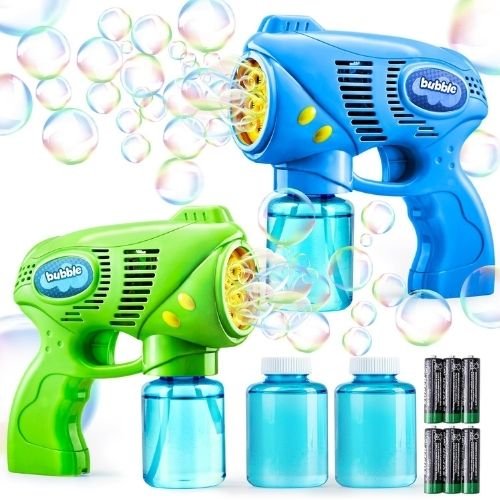
3. Blow bubbles low and slow
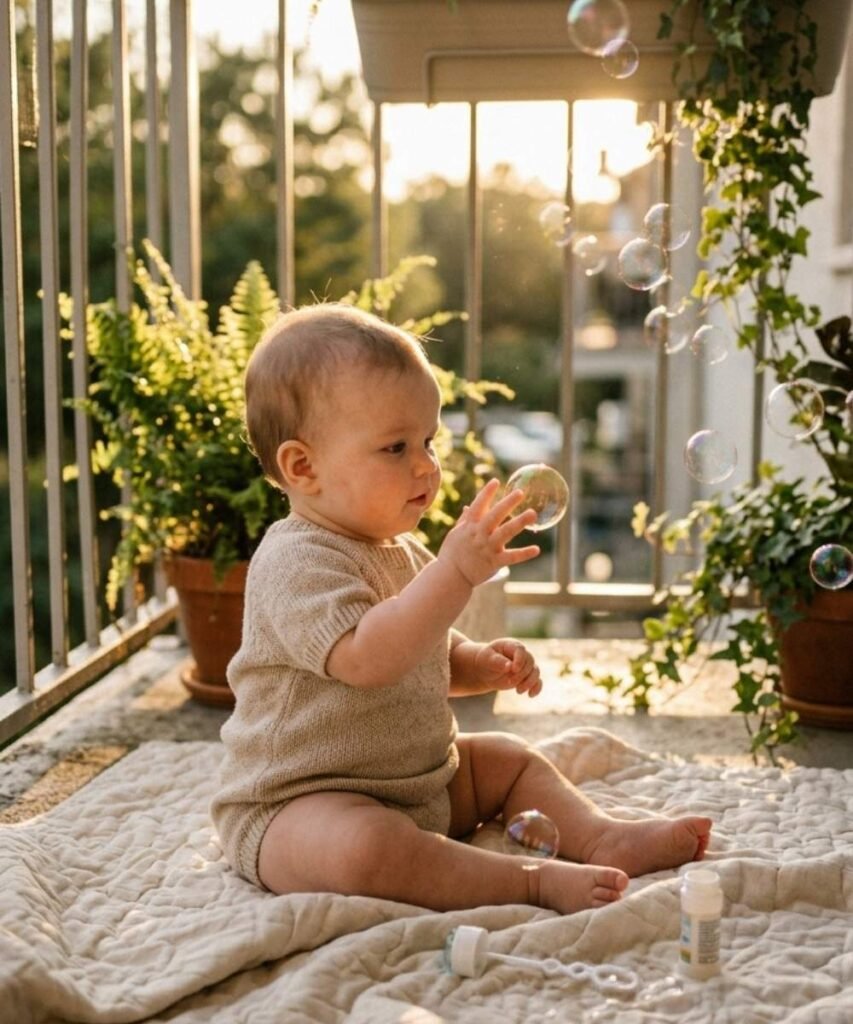
Blow a few bubbles at chest height, never over your baby’s face, and let them drift sideways.
Babies track bubbles long before they can reach one, and that first clumsy swipe at a bubble is often their first real reach. For a baby lying down, blow across their line of sight. For a sitting baby, blow low so bubbles land on the blanket and pop near their hands.
If soap near the mouth worries you, mix your own: one spoon of dish soap, one cup of water, a few drops of glycerine if you have it.
Wipe the blanket after. Bubble residue turns grass slippery for anyone crawling later.
If you want hands’ free Version, Click below
4. Set out a shallow water tray for hands and feet
One rule makes outdoor water play simple. If the water sits deeper than your baby’s ankle, it is too deep.
A baking tray with an inch of warm water on a towel is plenty. Fill it inside so the water is warm rather than cold from the garden tap, add a plastic cup and a sponge, and let them slap and squeeze.
Stay within arm’s reach the entire time. Babies can drown in very little water and it happens quietly, with no splashing and no sound. Tip the tray out the moment you are finished, even if you plan to come back in ten minutes.
Fill the tray indoors with warm water, about one inch deep.
Set it on a towel so the tray cannot slide on a smooth patio.
Sit your baby in your lap or in a supported seat, feet within reach.
Add two items only, a cup and a sponge. More than that gets ignored.
Empty the tray before you carry anything back inside.
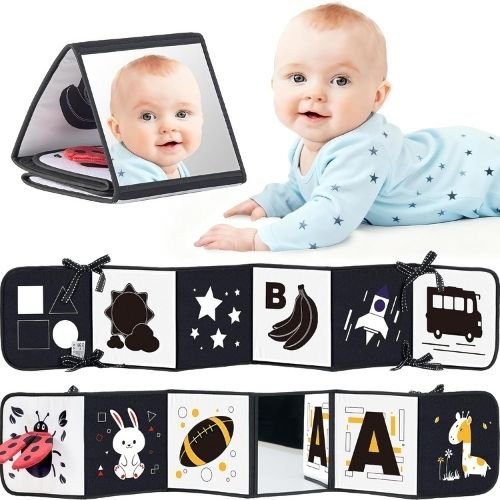
5. Prop a shatterproof mirror against the fence
A baby who is bored of your face will study their own for twice as long.
Lean an unbreakable mirror against a fence, a wall, or the flat back of a laundry basket, then put your baby on their tummy in front of it. Outside, the mirror catches sky and moving branches behind them, so there is far more going on than in the hallway.
What works:
- Acrylic nursery mirrors
- The shiny base of a metal tray
- A large mirror tile taped to cardboard for stability
Angle it down slightly so the reflection sits at their eye level, and press on it to check it cannot tip.
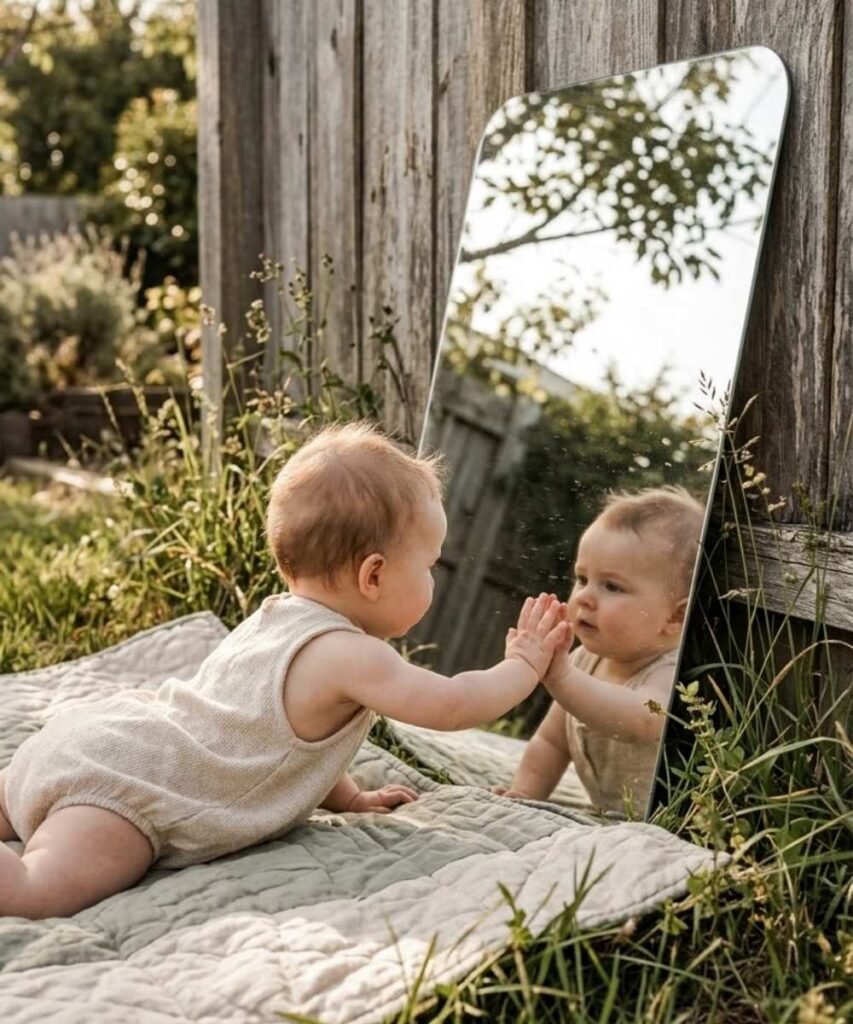
Glass mirrors never go on the floor with a baby, no matter how well you think they are propped. Acrylic only, and push on it hard before you walk away.
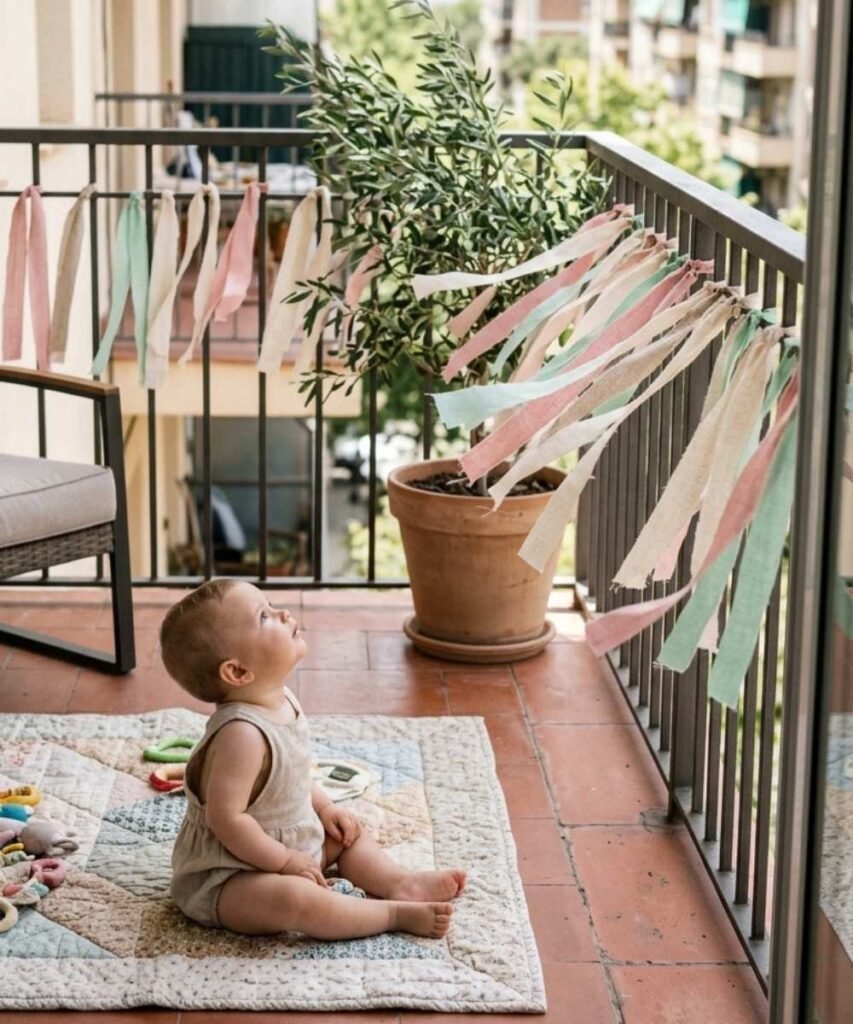
6. Tie ribbons to the fence and let the wind do the work
A friend of mine tied three strips of old fabric to her balcony rail and got twenty calm minutes out of a baby who refused to nap.
Streamers cost nothing, they move on their own, and they give a baby something to track without anyone performing. Wide ribbon, strips of cotton, or crepe paper on a dry day all work.
Tie them high and keep them short. Anything long enough to reach a baby’s neck comes off the list, and that includes ribbon tied to a stroller bar or a car seat handle.
Check where the shade falls before you pick the spot.
| Breezy day | Still day |
|---|---|
| Light crepe paper and thin ribbon | Wider fabric strips you can wave by hand |
| Tie to a fence and step back | Hold one end and move it slowly across their view |
| Expect 15 to 20 minutes of watching | Expect 5 minutes, then swap activity |
| Check nothing has worked loose | Good day to add a wind chime instead |
7. Build a nature basket with nothing small in it
The mistake with nature baskets is scale. Most of the ones you see online are full of acorns and little pinecones, which is a choking hazard list, not a play list.
Use one test instead. If an item fits inside a toilet roll tube, it stays in the garden.
Sit your baby with the basket between their knees so they can pull things out at their own pace. Expect every single item to go in the mouth, because that is how a baby under one reads texture. Rinse what rinses, bin anything soft or mouldy, and keep this basket for outdoor use only so the dirt stays outdoors.
A whole leafy branch, still attached to its stem
A smooth stone the size of your palm
One large, fully dried pinecone
A wide piece of bark with no splinters
Acorns, seeds, berries and small pinecones
Loose petals and anything that tears into bits
Mushrooms and any plant you cannot name
Sticks thin enough to snap in a fist
8. Lay a texture path across the lawn
There is a stage where a baby crawls the same three feet, over and over, to the same table leg.
Give them a reason to go further. Lay four or five different surfaces in a line across flat ground, each about a metre long, so crawling turns into a run of small surprises.
Surfaces worth using:
- A rubber doormat
- A folded fleece blanket
- A bath towel, slightly damp
- A silicone baking mat
- Short cut grass, left bare
Watch which one they stop on. Most babies park themselves on one texture and stay there, and that tells you something real about what their hands like.
Run through this before you lay the path
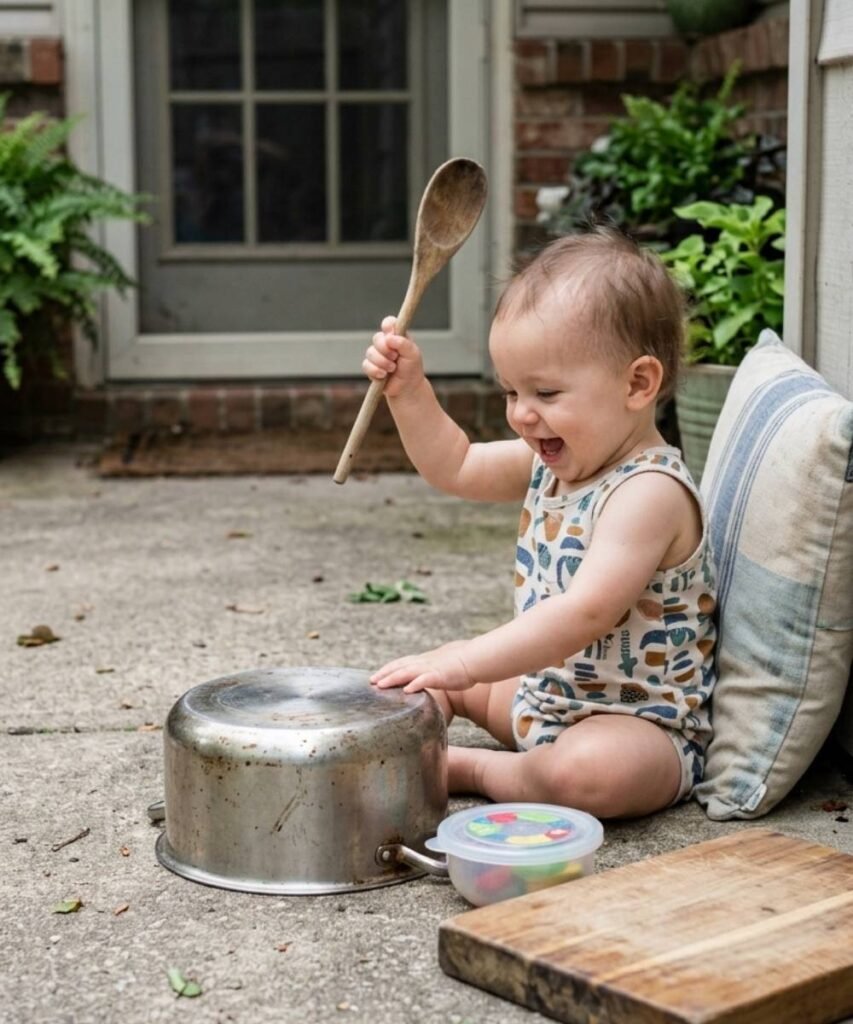
9. Set up a sound corner on the patio
Loud is not the goal here. A sitting baby gets far more out of three objects that sound different than out of a basket of noisy plastic toys.
Put out a metal pot turned upside down, a wooden spoon, and a plastic bowl with a dry bean sealed inside with strong tape. Each one answers back differently when hit.
Outside, you can let this run as long as they want, which is the honest reason to do it out there instead of in the kitchen.
Rotate one item a week. Familiar objects plus one new thing holds attention far longer than a whole new set.
10. Stick big leaves to a fence with contact paper
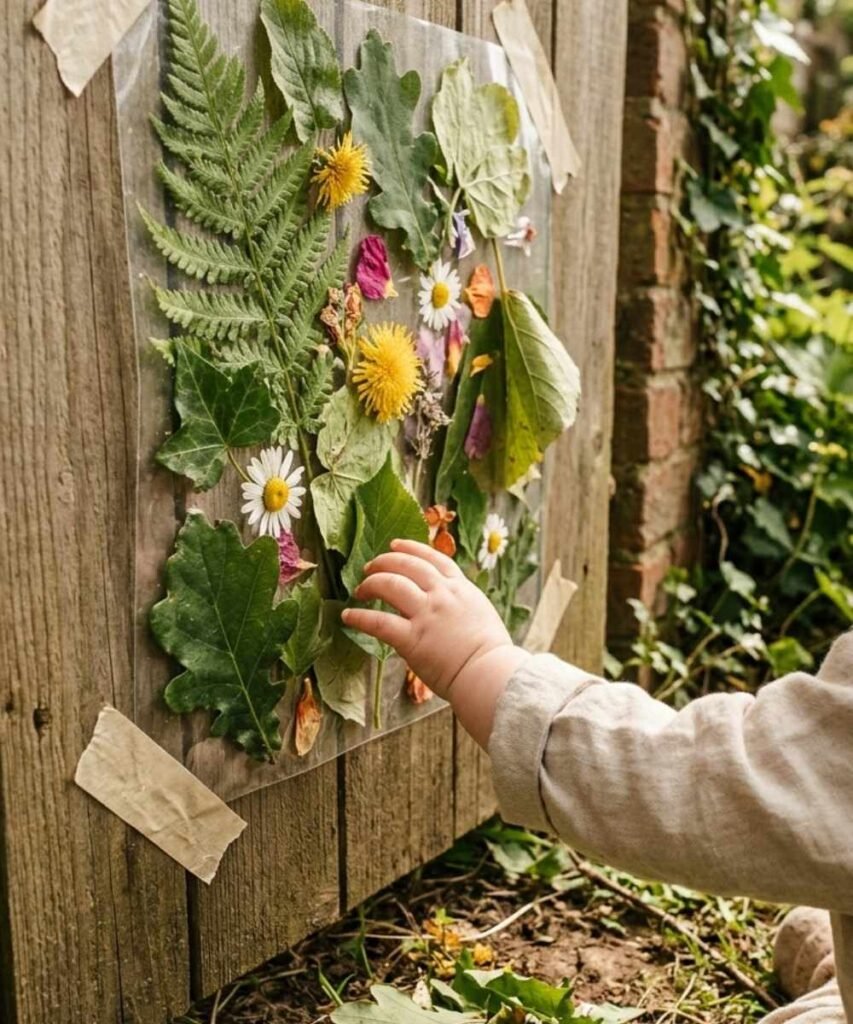
Sitting babies love anything sticky that fights back a little.
Tape a sheet of contact paper to a fence or wall at sitting height with the sticky side facing out. Hand over large leaves, flower heads and strips of fabric and let them press things on.
Pulling things off is the better half of this one. Peeling something stuck down is harder than it looks, and it builds the same pincer grip they need for finger food.
Eight minutes is a realistic session. Twenty happens occasionally and feels like a gift.
⚠️ Watch out
Contact paper tears into small sticky pieces, and those are the bits that end up in a mouth. Tape all four edges down flat and check the sheet every few minutes.
Take the whole sheet down when you finish. Do not leave it up for tomorrow.
11. Try a bucket swing, three minutes at a time
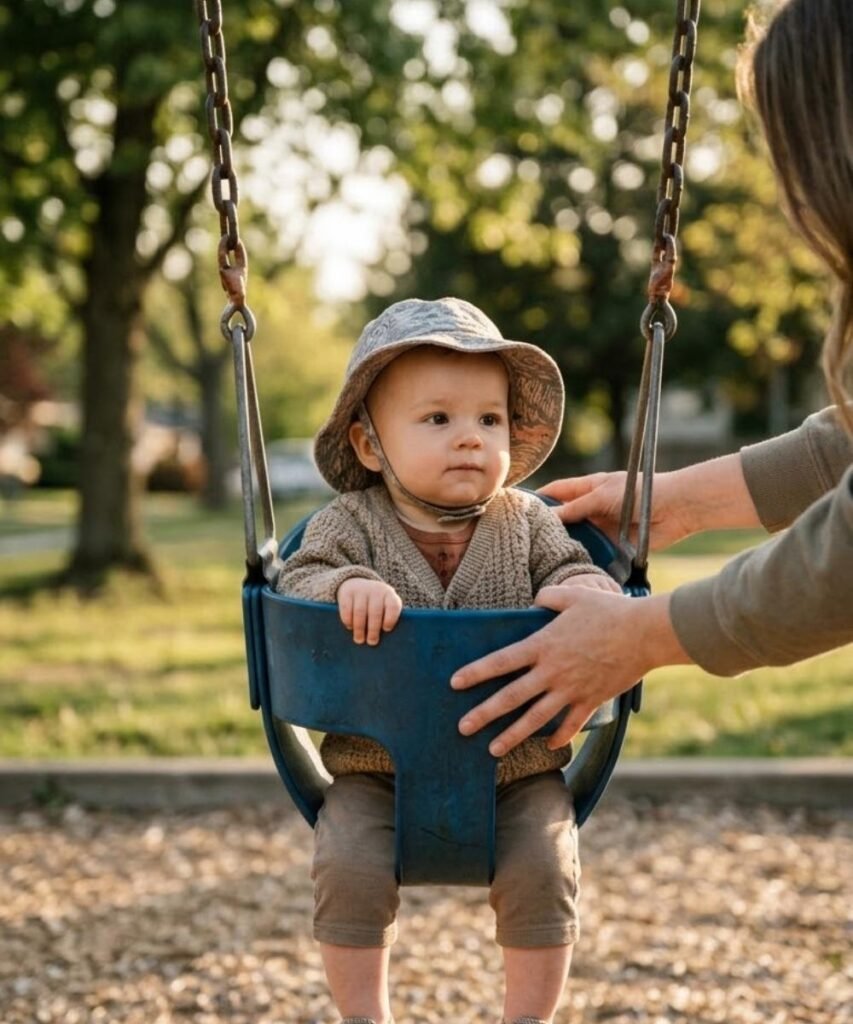
Bucket swings and flat swings are not the same equipment. A bucket swing holds a baby upright with leg holes and a solid back, which is what a body without a strong trunk still needs.
Most babies are ready once they can hold their head steady with no wobble and sit with light support. Plenty of parents start somewhere around six to nine months, but it depends on the baby in front of you, not the number of months.
Start low and slow. One gentle push, a few seconds, then stop and look at their face. Blank staring and a white knuckle grip both mean stop.
12. Walk a short loop and name three things
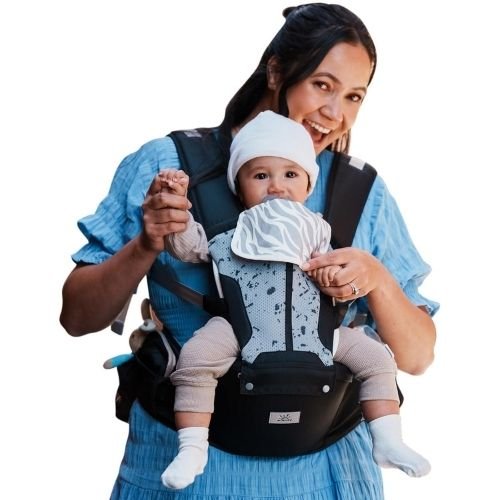
Carrying beats the stroller for this one, because a baby on your chest hears your voice through your ribs as well as through the air.
Walk the same short route most days and name what you pass out loud. Same path, same words, different weather.
Why the repetition matters:
- Babies pick up words faster when they hear them in the same place, again and again
- It gives you something to say on days when you have nothing
- A familiar route makes it obvious what changed overnight
Face them outward only once head control is solid, and turn them back toward you when they start staring at nothing. That blank look usually means they are full.
Pick three fixed landmarks on your street, like a red gate, a tree, a parked van.
Stop fully at each one. Walking and talking at once gets tuned out.
Name it, then say one thing about it. Same words every day.
Let them touch one safe thing, a leaf or a wall, before you turn home.
13. Fill a tray with dry oats for digging
Sand is the usual pick and the usual regret, because it ends up in eyes, nappies, and mouths.
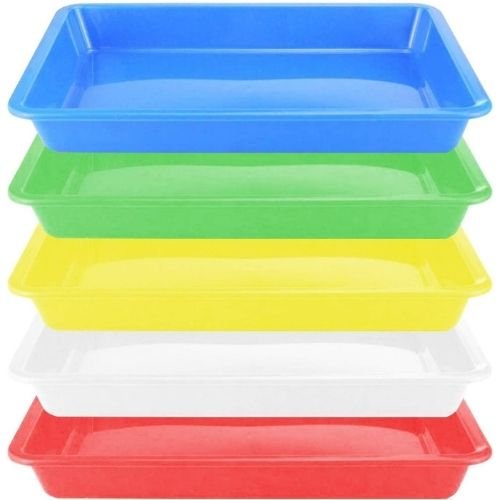
Dry oats do the same job with far less worry. Pour a few cups into a wide, low tray on the patio, add a cup and a spoon, and sit your baby beside it or right in it.
It will go in the mouth. Oats suit most babies who have already started solids, but check with your doctor first if your baby has not had grains yet or there are food allergies in the family.
Sweep up before you head in. Oats on a damp patio get slippery.
14. Pick one spot and watch birds from it
Birds are free, they move in the jerky way that grabs a baby’s eye, and they come back when you give them a reason to.
Hang a feeder or scatter seed about three metres from where you sit, then use the same mat every single time. Babies learn the spot fast. After a week, some will turn toward the feeder before anything has landed.
Early morning is the busiest window. Late afternoon runs a close second.
Keep the feeder well away from the blanket so seed and droppings stay off small hands, and move it if you start seeing rats or a lot of wasps.
| When you sit out | What tends to happen |
|---|---|
| Just after sunrise | Busiest feeding time, most movement to watch |
| Mid morning | Quieter, good for insects and butterflies instead |
| Middle of the day | Hot and still, usually the worst window |
| Late afternoon | Second feeding rush, softer light, cooler ground |
15. Move one meal a day outside
This is the easiest win on the list, because you were feeding them anyway.
A mat, a towel, and whatever your baby already eats. Babies on solids get to hold food with grass and sky behind it. Babies still on milk get fed under a tree, with permission to break off and look around every thirty seconds.
What changes:
- The mess lands on the ground instead of your floor
- Babies who stonewall food indoors sometimes try it outside
- You get fifteen quieter minutes
Bring shade and water for yourself too. Heat tires babies out quickly, so keep it short on warm days.
Food wiped off the wall, the chair and the floor
Baby twists around to look for something to watch
Meal ends when your patience does
Shake the mat out and you are done
Plenty to look at, so they stay seated longer
Meal ends when they are actually finished
Keep it small and keep it regular
Babies who cannot walk yet are not sitting around waiting for playtime to begin. They are already working, every time they lift their head toward a moving leaf or press a palm into cool grass. None of these ideas need a park, a budget, or a free hour. Most need a blanket, ten minutes, and some shade.
Start with two or three that match the stage your baby is at right now, then add more as they get stronger. Outdoor activities for babies get easier the more ordinary you let them be.
Save this list so you have something ready the next time the afternoon stretches out in front of you.